Quick Ans: PTSO means “Put That Sh*t On” – casual internet slang for approval. Hiatus means structured temporary break – formal pause with planned return.
Americans talk about breaks differently now. Some drop “PTSO” in texts while others formally announce a “hiatus.” Both signal a pause, yet they couldn’t feel more different. Understanding PTSO meaning versus hiatus meaning reveals how modern language splits between casual digital spaces and professional contexts.
This guide cuts through confusion, showing exactly when each word fits and why your choice matters in American English today.
What Does PTSO Mean in Modern American English?
Core Definition of PTSO
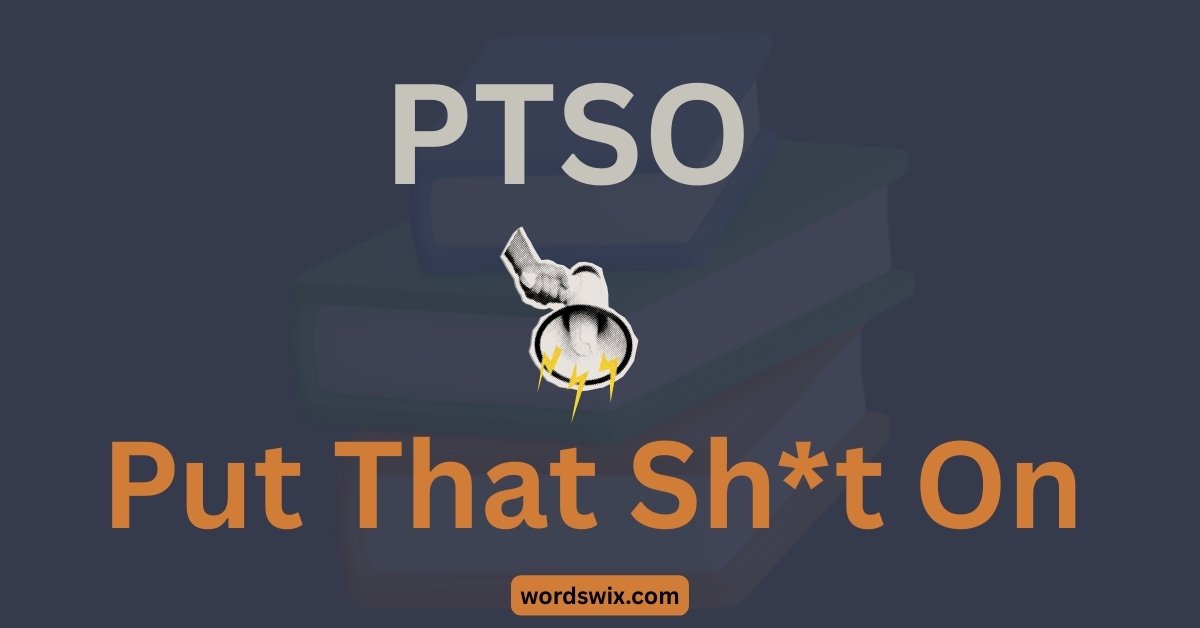
PTSO stands for “Put That Sh*t On.” Americans use this texting abbreviation primarily as enthusiastic approval. When someone posts an outfit, a friend responds “PTSO!” signaling immediate endorsement. The PTSO meaning in text centers on excitement and affirmation.
Digital communication terms like PTSO thrive because they’re quick. Gen Z popularized this through TikTok and Instagram. Unlike formal language, PTSO meaning in USA contexts stays playful and peer-focused.
Where Americans Use PTSO Most
You’ll spot PTSO across specific platforms:
- Instagram fashion posts
- TikTok style videos
- Discord gaming chats
- Twitter/X casual exchanges
- Text messages between friends
Online community slang evolves fast. PTSO emerged around 2018 but exploded during 2020-2022. Younger demographics (16-28) recognize it instantly. Older Americans often miss the reference entirely, creating context-based meaning gaps.
The Meaning of Hiatus in Plain Language
Basic Definition of Hiatus
A hiatus means a deliberate, temporary break. The definition of hiatus emphasizes structure and intention. When someone announces a hiatus, they’re stepping back with purpose and planning to return.
Hiatus meaning in English carries formality. It signals respect for audience time and serious decision-making. Unlike quitting, a hiatus always implies continuation later.
How Americans Hear the Word “Hiatus”
Americans associate hiatus with professionalism immediately. TV shows take hiatuses. Musicians pause tours temporarily. YouTubers announce creator hiatus periods for mental health.
The emotional tone in language shifts dramatically. “I’m taking a hiatus” sounds thoughtful and boundary-conscious. It carries weight that casual phrases lack.
Historical Origins of Hiatus
Ancient and Academic Roots
Latin origin of hiatus traces back to “opening” or “gap.” Classical scholars used it for textual breaks. Medical and phonetic fields adopted the term academically.
Academic roots of hiatus gave it intellectual credibility. Americans borrowed this scholarly word because it sounded legitimate and measured.
Shift Into Modern American Usage
Hollywood normalized hiatus in the 1950s-60s. Entertainment industry hiatus announcements became standard. By the 2000s, everyday Americans started using it for personal breaks.
Language evolution online accelerated adoption. Social media made professional-sounding mental health break terms accessible to everyone.
Where Did PTSO Come From?
Internet and Abbreviation Culture
Abbreviation culture online exploded with character limits. Early 2000s texting created shorthand habits. Social media platforms amplified this trend exponentially.
PTSO meaning in social media emerged organically. Users needed fast, enthusiastic expressions. Full sentences felt clunky compared to punchy acronyms.
Why PTSO Feels Temporary
Youth language trends shift quickly. What’s popular today disappears tomorrow. PTSO’s casual nature makes it feel ephemeral compared to established words.
Digital identity language constantly refreshes. Americans using PTSO know it signals insider status within online culture vocabulary circles.
PTSO vs Hiatus: Key Differences Americans Notice
Side-by-Side Meaning Comparison
| Aspect | PTSO | Hiatus |
| Formality | Casual, playful | Professional, serious |
| Duration Implied | Immediate/short | Extended, planned |
| Context | Social media, texts | Work, media, public |
| Age Group | Mostly under 30 | All ages |
| Emotional Tone | Excited, approving | Thoughtful, boundaried |
The difference between PTSO and hiatus centers on intention and audience. PTSO works for friends. Hiatus suits professional announcements.
Why Word Choice Changes Reactions
Clarity in communication depends on matching words to situations. Announcing a “PTSO from work” confuses people. Telling friends you’re “taking a hiatus from group chat” sounds pretentious.
Formal vs informal communication rules govern reactions. Americans value authenticity, so mismatched language feels performative.
Emotional and Psychological Signals
Emotional Tone of PTSO
PTSO radiates enthusiasm. It’s affirmative, friendly, and inclusive. Using it signals you’re part of fandom language usage and understand modern communication vocabulary.
Casual online expression builds community. PTSO creates instant connection among peers who recognize it.
Emotional Tone of Hiatus
Hiatus communicates seriousness and respect. It’s a boundary setting language tool that protects personal space while maintaining professionalism.
Emotional signaling words like hiatus indicate deep consideration. Americans appreciate this during burnout prevention language discussions.
How Media and Pop Culture Shape These Meanings
Hiatus in U.S. Entertainment
Netflix shows go on hiatus between seasons. Musicians announce tour hiatuses publicly. Media hiatus meaning became culturally normalized through repeated celebrity usage.
Pop culture language influence teaches Americans these terms passively. We absorb vocabulary from entertainment consumption daily.
PTSO in Online Culture
TikTok fashion influencers drove PTSO mainstream. Social media language trends spread it across platforms rapidly. Gaming streamers adopted it for quick reactions.
Creator economy language demands efficiency. PTSO delivers maximum enthusiasm in four letters.
Modern Usage in Work, School, and Identity
Work and Productivity Culture
Workplace break terminology increasingly includes “hiatus.” LinkedIn posts announce career hiatuses openly now. Remote work language trends normalized discussing breaks professionally.
Productivity culture USA previously shamed pausing. Post-2020 attitudes shifted dramatically toward accepting intentional break meaning as healthy.
Personal Identity and Online Presence
Creator hiatus announcement posts flood Instagram regularly. Influencers use hiatus to manage audience expectations during mental health break periods.
Pause culture USA now validates stepping back. Both temporary pause meaning and planned break definition entered mainstream vocabulary.
How Meanings Have Shifted Since 2020
Post-2020 Pause Culture
Pandemic experiences normalized breaks universally. Burnout prevention language became essential workplace vocabulary. Americans discuss pauses more openly than ever before.
Modern language guide 2026 reflects this cultural transformation. Words like hiatus lost their stigma completely.
Why Both Words Are Used More Now
Language trends 2026 show simultaneous growth in formal and informal pause words. PTSO thrives in digital communication terms spaces. Hiatus dominates professional break term usage.
Flexible commitment language serves different needs. Americans choose based on context, audience, and desired impression.
Conclusion
PTSO meaning and hiatus meaning represent modern America’s communication split. PTSO delivers casual enthusiasm in texts and social posts. Hiatus provides professional structure for public announcements. Understanding when to use hiatus vs PTSO prevents awkward mismatches.
As American English pause words evolve, context determines appropriateness. Choose PTSO for friends, hiatus for formal breaks. Both validate pausing in pause culture USA, just with different tones and audiences.
FAQ’s
Q: What does PTSO mean in modern English?
PTSO means “Put That Sh*t On,” expressing enthusiastic approval in casual digital communication contexts.
Q: What is the definition of hiatus?
Hiatus means a deliberate temporary break with intention to return, used in formal contexts.
Q: Is PTSO a real word?
PTSO is internet slang, not a dictionary word, but widely recognized in American online communities.
Q: When should I use hiatus vs PTSO?
Use hiatus for professional announcements, PTSO for casual social media and texting with friends only.
Q: What does hiatus mean in American culture?
Hiatus signals a structured, respectful pause from work, content creation, or public activities temporarily.
Q: Why do creators announce a hiatus?
Creators announce hiatuses to set boundaries, manage expectations, and prioritize mental health or personal needs.
Q: Where did PTSO originate?
PTSO emerged from internet abbreviation culture around 2018, popularized by Gen Z on social platforms.
Q: Does hiatus mean quitting permanently?
No, hiatus always implies temporary absence with planned return, unlike quitting which suggests permanent departure.
Q: Can I use PTSO in professional settings?
No, PTSO is too casual for professional contexts; use formal language like “break” or “hiatus” instead.
Q: What’s the emotional difference between terms?
PTSO feels excited and playful; hiatus conveys seriousness, respect, and thoughtful boundary setting in communication.

I’m Daniel Carter, founder of wordwix.com, a creative space focused on powerful and meaningful words. I explore ideas, meanings, and inspiration to help you find the perfect words for any purpose with clarity and creativity.